What Is a Credit Score and How Is It Calculated?
If you want to improve your credit score, it helps to understand what it represents and how lenders use it.
When you apply for credit, lenders will usually request permission to access your credit report. Imagine you're applying for a credit card with a large national bank. The bank's goal is simple: determine whether you are likely to repay the money you borrow.
As part of the application process, the bank may review how many credit cards you already have, how much debt you're carrying and whether you've missed payments in the past. Together, these details help paint a picture of how responsibly you've managed credit.
The problem is that large lenders receive thousands of applications every day. Manually reviewing every credit report would be expensive, slow and impractical. That's where credit scores come in.
What is a credit score?
A credit score is a numerical estimate of how likely you are to repay your debts on time, based on information contained in your credit report.
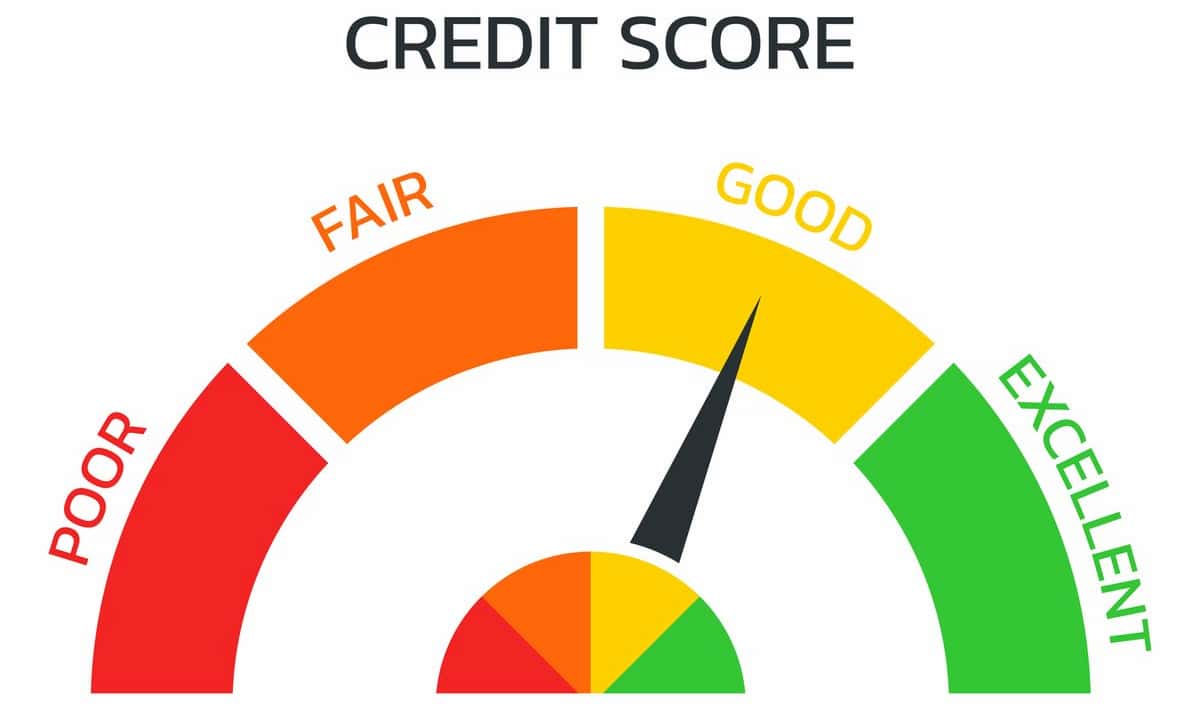
Most credit scores range from 300 to 850, with higher scores indicating lower risk. A borrower with an 850 credit score is considered far less likely to default than someone with a 500 score.
Rather than manually reviewing every application, lenders can purchase credit scores from third-party companies that specialize in predicting credit risk. The most widely used credit scoring company is the Fair Isaac Corporation (FICO), although it is not the only one. You may also have come across VantageScore.
If someone applies for a credit card with an 830 FICO score, the lender immediately knows they are dealing with a very low-risk borrower. As a result, the application may require less scrutiny and be approved more quickly.
On the other hand, a borrower with a 500 credit score represents significantly more risk. In some cases, the lender may deny the application without conducting a detailed review of the credit report.
How is a credit score calculated?
Companies such as FICO build statistical models that attempt to predict whether borrowers will repay their debts on time. The credit score you see is simply the output of one of these models.
To build these models, credit scoring companies analyze historical borrowing data and look for patterns associated with future delinquency. For example, they may observe that borrowers with high credit card balances are more likely to miss payments in the future. The model then incorporates that information when calculating a score.
The exact formulas used by companies like FICO are closely guarded trade secrets, but we do know the major factors that influence your credit score.
Payment History (35%)
Payment history is the single most important factor affecting your credit score. Credit reports track missed payments and the severity of those delinquencies. Generally speaking, payments that are more than 30 days late are reported to the credit bureaus and can negatively impact your score. More serious delinquencies, such as payments that are 60 or 90 days late, typically cause even greater damage.
Consistently paying your bills on time is one of the most effective ways to build and maintain a strong credit score.
Amounts Owed (30%)
The second most important factor is how much debt you currently owe. Higher balances generally indicate a greater debt burden and, therefore, a higher level of risk.
For revolving accounts such as credit cards, lenders often pay close attention to credit utilization — the percentage of your available credit that you are using. Keeping balances low relative to your credit limits can help improve your score.
Length of Credit History (15%)
Credit scoring models reward borrowers who have demonstrated responsible credit behavior over a long period of time.
This category considers factors such as the age of your oldest account and the average age of all your accounts. For this reason, closing old credit cards can sometimes reduce your credit score, even if you no longer use them.
Credit Mix (10%)
Lenders generally prefer borrowers who have successfully managed different types of credit. This could include a mix of credit cards, auto loans, mortgages and personal loans.
While credit mix is less important than payment history or amounts owed, it still contributes to your overall score.
Recent Credit Activity (10%)
Credit reports also track recent applications for credit, known as hard inquiries, as well as newly opened accounts.
A large number of credit applications within a short period may suggest financial stress or an increased need for borrowing. As a result, opening multiple accounts or applying for several loans at once can temporarily lower your credit score.
Why does your credit score matter?
Your credit score can have a significant impact on your financial life. Lenders often use it to determine whether to approve your application, how much you can borrow and what interest rate you will receive.
A higher credit score generally translates into lower borrowing costs, better approval odds and access to a wider range of financial products. A lower score can make borrowing more difficult and significantly more expensive.
That said, credit scores are only one part of the picture. They are designed to predict whether you will repay debt, not whether you are financially successful, responsible or wealthy. Building strong financial habits is ultimately more important than chasing a specific number.
If you focus on paying your bills on time, keeping debt manageable and using credit responsibly, your credit score will usually take care of itself.